
Get Started
Help & Accessibility
NAVIGATION
Map
List of Questions
CONTENT
House & Living
Leisure & Mobility
Participation & Employment
Care & Support
Legal Framework
Forum/ Reflexion Tool
Topics related to Leisure & Mobility
Sports and activities
How can young people with care needs and disabilities access sports, travel, and well-being activities? What common barriers are there and how can they be overcome?
This section provides information about the benefits of sports and well-being activities for people with disabilities, physical and mental impairments and chronic conditions.
When adapted to their needs, participation in sports, travel and recreational activities poses no additional risk to care recipients. Despite this, it has been reported that people with disabilities are less likely to engage in sports compared to those without disabilities. Multiple barriers may be behind this lower participation rate: disadvantaged socioeconomic background, lack of physical access, lack of support from their inner circle or caregiver(s). Stigma and discrimination can be other common social obstacles. These negative societal attitudes can be mentally damaging, impair social interactions, and result in lower self-worth. This section will offer insights on how care recipients can benefit from activities like sport or travelling.
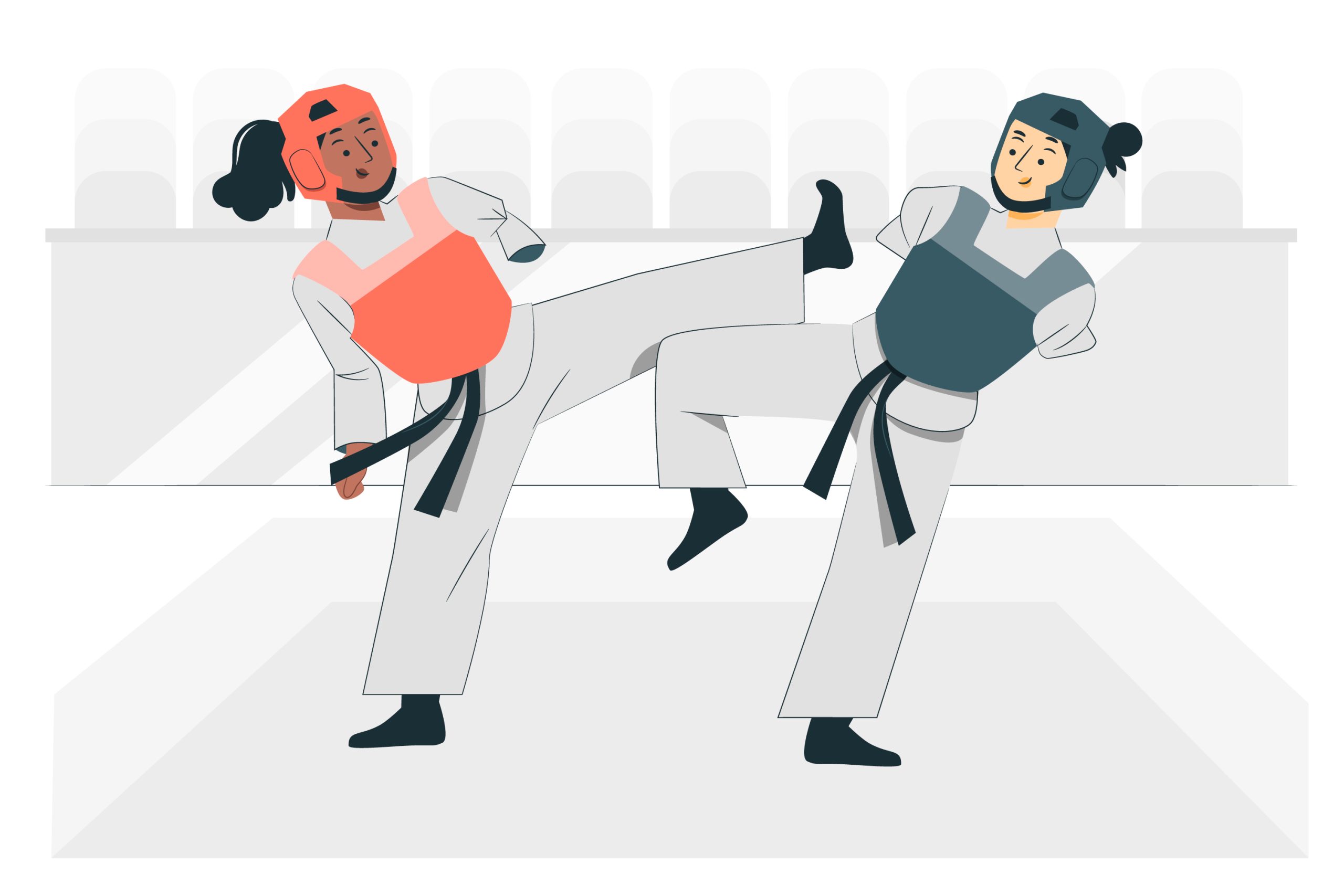
What are the proven benefits of sports and well-being activities?
Sports and recreational activities can transcend social, linguistic, or even cultural barriers. Many activities can enhance the well-being of adults with care needs and disabilities, from recreational activities (music, painting, reading, performing arts, reading, playing games, gardening, travelling, etc.) to sports (seated exercises, adapted sports like basketball, bowls, tennis, and rugby, to name a few). Travelling offers opportunities for new experiences, cultural enrichment, and social interaction.
These well-being activities can improve the overall quality of life of people with care needs and disabilities. Depending on the activity, positive benefits can be felt at various levels:
PHYSICAL
Participating in activities that promote motor activity, can improve muscle strength, coordination, vigour, fitness, skills, balance, and flexibility. According to the type of sport or activity performed, this may vary and improve specific physical aspects. In some cases, it can also lead to better sleep quality.
MENTAL-HEALTH
The benefits of sports on mental health may include greater self-confidence, higher self-esteem, stronger sense of purpose, and feelings of accomplishment and fulfilment. Some studies have shown improvement of the overall mood and reduced depression, anxiety, and stress.
COGNITIVE
Mentally stimulating activities can help prevent cognitive decline and improve skills related to memory, concentration, and problem-solving.
SOCIAL
The benefits of group activities can include a wider social circle, enhanced teamwork, communication, and social skills. Group activities can also foster a stronger sense of community and acceptance, while reducing feelings of isolation.
How can sports, travel and other activities benefit the well-being of people with care needs and disabilities?
As mentioned before, sports, travel and recreational activities can enhance the well-being of care recipients, regardless of their specific conditions and needs. These benefits encompass physical, cognitive, social, and even mental health aspects, which can vary according to the chosen activity or sport. Even though it is important to consult a healthcare provider first, activities should also be chosen on the basis of the individual’s interests and personality.
If the person you care for has an interest in sports and recreational activities, these moments can also be important for you because they relieve you of certain tasks, thus giving you more free time for yourself.
To show how beneficial and impactful such activities can be, you will find a personal story below highlighting the perspective of a person with care needs. By clicking on the button, you can start and continue the story.
[Mafalda]
Mafalda Ribeiro – E-book Quotidianos Femininos e Deficiência (Instituto Nacional para a Reabilitação, 2018; Translated from Portuguese)
The story above is an example of the great impact that sports and leisure activities can have on the body and mind.
By the way, have you heard about the Paralympic Games? While not everyone can compete in the Paralympic Games, just as in the Olympic Games, they showcase the incredible achievements of athletes with disabilities. Here you can find an inspiring example of how people with disabilities can achieve remarkable feats in sports.
Due to the wide range of disabilities among para-athletes, competitions are organised into several categories to ensure fairness. Eligible disabilities are divided into ten types: impaired muscle power, impaired passive range of movement, limb deficiency, leg length difference, short stature, hypertonia, ataxia, athetosis, vision impairment, and intellectual impairment
How can you help to create an environment that supports participation of adults with care needs and disabilities in well-being activities, travelling, and sports?
First and foremost, you should consult the person’s healthcare professionals to receive some guidance on the activities that are suitable for each condition. They should be supportive and encouraging by helping you to find the most enjoyable activities for your care recipient while also considering their abilities, interests, and personality.
You may also help by obtaining information about national and regional offers, as well as about groups, communities, and associations for well-being activities.
As far as activities to do at home are concerned, adults with care needs and disabilities may keep in contact and build friendships with a community through virtual social groups or online communities. If necessary, you can help the care recipient to make some adjustments to increase engagement and satisfaction. In this context, online accessibility can be a topic of interest, as the digital world allows us to connect with other people in similar circumstances.
Good Practices
SET Territorial Educational Service of the Disability Service of the Municipality of Bologna
The service offers inclusive leisure group activities (recreational activities, sports, and summer and winter holidays) to people with disabilities. Link 2.
Free access to cinemas and museums for people with disabilities
There is legislation ensuring free access for people with disabilities to cinemas, theatres, concerts, museums, sporting events.
Disabled holiday bonus 2024 – Municipality of Bologna
People with disabilities and an ISEE (Equivalent Economic Situation Indicator) equal to or less than EUR 7,000 can apply at the municipal counters for a flat-rate contribution for expenses incurred for holidays from April to September.
Team Sportservice is committed to bringing participation in parasports and physical activities at the same level as people without disabilities. Regional partners help to achieve a balanced range of sports on a local level.
Foundation Klimmen tegen MS (MoveS) (Climbing against MS)
MoveS organises walking and biking campaigns to collect money for research on Multiple Sclerosis. By combining sports with a good cause, they hope to inspire people to act in the fight against MS. Their ultimate goal is to create an MS-free world.
Lebenshilfe Frankfurt is committed to inclusion. They offer various activities for people with and without disabilities.
Inclusive dance group Magdeburg
The Inclusive Dance Group from Magdeburg is a group that meets regularly to dance and rehearse performances. The idea is that everyone can take part in this group, regardless of whether they have a disability or not, or whether they are old or young.
This is an initiative to promote accessibility for people with disabilities, namely deaf people, to cultural and entertainment activities. The Lab works to promote accessibility on and to websites, physical routes and in programming. It also promotes inclusive ticketing systems, and audience mediation through partnerships with artists, professionals, politicians, institutions and people with disabilities and deafness (Access Lab, 2023).
Programa Praia Acessível [Accessible Beach – Beach for Everyone!]
This is a programme launched by the Portuguese government in 2004 to promote and enhance beach accessibility and inclusivity across the country.
Centro de Apoio à Vida Independente (CAVI) [Independent Living Support Centre]
Multiple centres created by the Portuguese government to support individuals with care needs and disabilities, while ensuring they enjoy independent lives. These organisations aim to assist in various areas, including leisure, cultural, and sports activities. This website displays all available centres by region.
Acesso Cultura [Accessible Culture]
A non-profit association whose aim is to spread information about accessible cultural programmes and events. Information is shared through Cultura Acessível, a website promoting physical, social and intellectual cultural accessibility.
Lietuvos paralimpinis komitetas (LPAK) Lithuanian Paralympic Committee
The Lithuanian Paralympic Committee is an independent sports organisation of the Republic of Lithuania for people with disabilities. The Committee manages and coordinates the Paralympic movement in Lithuania. LPAK implements and finances various programmes and projects related to sports for people with disabilities.
Nacionalinė sporto agentūra Sporto rėmimo fondas (National Sports Agency Sports Support Fund)
This is the state fund to support sports projects that promote physical activity in Lithuania. The fund finances various organisations and projects with the purpose of engaging people with disabilities to spend their time more actively so that they can feel better. It also encourages them to become more self-confident and promotes social inclusion.
Lietuvos neįgaliųjų sporto federacija (Lithuanian sport federation for the disabled)
The mission of this Federation is to promote, develop, organise, and coordinate physical culture and sports for people with physical disabilities, and help them integrate into society through physical education and sport.
Resources
This roadmap was drafted to help municipalities improve regional cooperation on adapted sports. The aim is to make sports and exercise possible for everyone with a disability and to match the demand for sports and exercise to a suitable offer in neighbourhoods
Tips and tools for inclusive sports and physical activity
A list of practical tips, tools, handholds, arrangements, trainings, and interventions to help make sport available to all
Deficiente Fórum [Disabled Forum]
An online forum where information about resources for people with care needs and disabilities and their caregivers can be accessed for free. The forum provides information on sports and recreational activities in Portugal, but also on many other topics that may be of interest.
A website providing information on transportation, driving, beaches, and accommodations throughout Portugal, all aimed at promoting physical accessibility.
An online platform to help users organising accessible trips in Portugal.
The National Kuchsnado Centre offers sporting activities for persons with visual disabilities.