
Get Started
Help & Accessibility
NAVIGATION
Map
List of Questions
CONTENT
House & Living
Leisure & Mobility
Participation & Employment
Care & Support
Legal Framework
Forum/ Reflexion Tool
Topics related to Leisure & Mobility
Sports and activities
Country Selection
As the topic varies greatly across Europe, you will find the information divided by country. You will find the information for your own country translated into your national language. By clicking on the country flag and selecting other country flags, you can also access the information for other European countries in English.


What is meant by barrier-free housing?
Barrier-free housing refers to the design of living spaces and environments that are accessible and usable for people with different types of disabilities. This means that there are no obstacles that could make it difficult for people with mobility, sensory or cognitive impairments to move around and use their home safely and independently. For example, wider doors, level entrances, non-slip floors and adapted bathrooms can help to reduce barriers.

Why do leisure, sport, travel have great importance for people with disabilities?
People with disabilities, due to their motor difficulties, as well as their cognitive difficulties, often have great difficulty in accessing sports, cultural, recreational, and leisure activities and holidays/travel, as they need usable and accessible contexts dedicated to their difficulties.
The possibility of participating in leisure activities is fundamental for the psychophysical well-being of the person with congenital, but above all acquired, disabilities, in order to rebuild their identity and rediscover the pleasure of autonomy and independence. Linked to this is the difficulty, especially for people with acquired disabilities, due to degenerative diseases, neurological trauma outcomes, and accidents, of perceiving themselves and finding their way back into the social sphere.
Leisure activities dedicated to people with disabilities promote social inclusion and enable people to perceive themselves as active agents within the family, friendship, and social sphere again.

National services for access to leisure activities are listed below.
Which national institutions and associations exist in Italy?
In Italy, the following services can be highlighted. Example regional institutional model:
- Emilia-Romagna Region.
- Main national associations: A.N.F.A.S., A.I.A.S
- Redazione Disabili.com
Italian Paralympic Committee, CSI, UISP, Special Olympics, FISDIR, ASI, CIP, Sportfund Onlus, Set.
Disability Service (Emilia-Romagna Region leisure time and the disabled)
The municipality of residence of the citizen with a disability, within the relevant Disability Service, takes charge of or counsels the person requesting leisure activities compatible with the disability he or she presents.
By accessing the following portal, it is possible to identify the Municipal Disability Service of Regione Emilia-Romagna.
A.N.F.A.S. (National association of families of people with intellectual and/or relational disabilities).
The association supports people with disabilities and their families and offers leisure activities for people with disabilities.
On the national website you can find the contact details of the regional/municipal A.N.F.A.S. office.
A.I.A.S. national
A.I.A.S. is a private association that promotes the rights of people with disabilities and their families and offers leisure opportunities.
On the national website, you can find the contact details of the regional/municipal A.I.A.S. office
Disabili.com (translated: Disables.com)
Disabili.com is an online newspaper that collects tips and information to improve the lives of people with disabilities.
Among the various sections of the website, you can access a page dedicated to accessible travel.
Comitato Italiano Paralimpico (Italian Paralympic Committee)
It is the public body for sport practised by persons with disabilities that regulates and manages competitive and amateur sporting activities for persons with disabilities on the national territory, according to criteria aimed at ensuring the right to participate in the sporting activity under conditions of equality and equal opportunities. Link here

Good pratices
Resources
- Free access to cinemas and museums for people with disabilities
There is legislation regulating free access for people with disabilities to cinemas, theatres, concerts, museums, sporting events - Disabled holiday bonus 2024 – Municipality of Bologna. People with disabilities and ISEE equal to or less than EUR 7000 can apply at the municipal counters for a flat-rate contribution for expenses incurred for holidays from April to September.
What are the benefits of barrier-free housing for people in need of care?
Barier-free homes can be designed to meet the needs of wheelchair users, the visually and hearing impaired and people with other mobility or cognitive impairments. In this context, they bring a number of benefits:
- Barrier-free husing enables people with different disabilities to move freely and safely around their homes without encountering obstacles.
- It promotes independence and autonomy as residents are less dependent on help to carry out their daily activities.
- It makes everyday living easier by providing access to all areas of the home, including bedrooms, kitchens and bathrooms.
Which basic modifications or adaptations can be made to make housing more accessible for people with disabilities and care needs?
Overall, several changes can be made to ensure barrier-free housing. In the floor plan below, you can click on the various interactive points to find out which adaptations are possible in the kitchen, bathroom and bedroom and how they can be implemented.
How can informal carers help to create an environment that supports the independence and quality of life of people in need of care?
You, as an Informal carer must create accessible and barrier-free housing for your care recipients. The accessible solutions presented can significantly improve the lives of people in need of care. They allow to move freely and safely while carrying out everyday activities independently. You should take special care to ensure that your caretaker’s home is easily accessible, with wide doorways, non-slip floors and other adaptations that take all needs into account. By implementing accessible housing options, you can improve the quality of life of care recipients and provide them with an environment where they feel comfortable.

Good Pratices
Regelhulp (arrangement help) (NL)
Regelhulp is a government website that provides a guide for navigating help and support measures. They offer information and helpful links on housing, and more.
Barrierefrei Leben e.V. (DE)
Barrierefrei Leben e.V. shows a range of possible home adaptations in favour of barrier-free living. Click on the link and get to know about more accessible adaptations.
List of Materials
Guide presenting adapted kitchen tools & utensils
The guide of the National Center on Health, Physical Activity and Disability (NCHPAD) gives an brought overview about available tools in the kitchen.
Why do leisure, sports and travel are so important for people with disabilities?
People with disabilities often face significant challenges in accessing sports, cultural, recreational, and leisure activities due to their motor and cognitive difficulties. They can also find it difficult to travel and go on holiday. This is because they need environments that are accessible and adapted to their needs.
Participating in leisure activities is fundamental for the psychophysical well-being of people with congenital disabilities, particularly those with acquired disabilities, because it helps to rebuild their identity and rediscover the pleasure of autonomy and independence. In addition, and especially for people with acquired disabilities due to degenerative diseases, neurological trauma, and accidents, there is the challenge of regaining a sense of self and finding their way back into the social sphere.
Leisure activities tailored to people with disabilities foster social inclusion and enable them to see themselves again as active agents within their families.
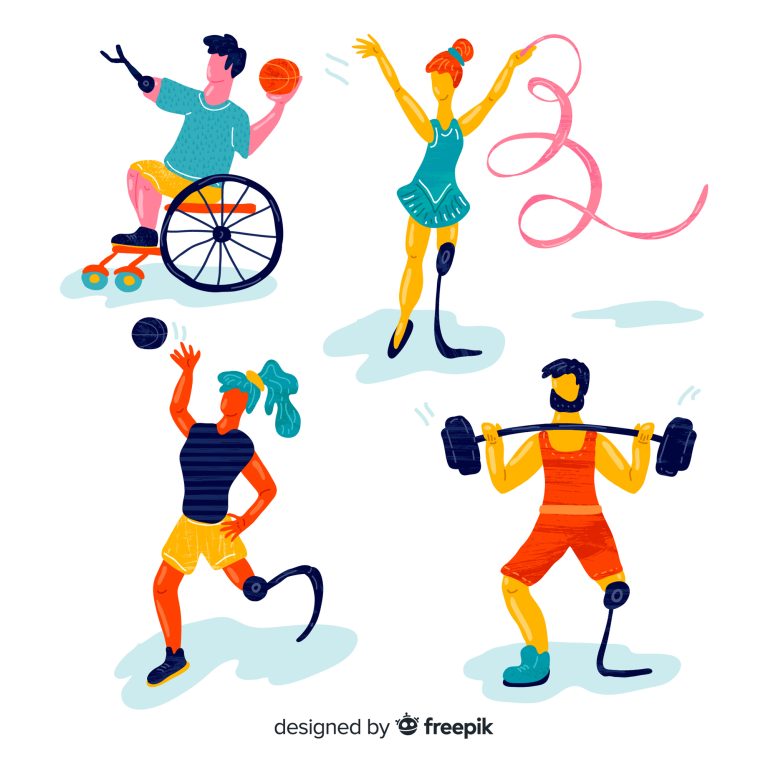
National services for access to leisure activities are listed below.
What national institutions and associations exist in Italy?
The following services and organisations are notable examples of regional institutional models in Italy:
- Emilia-Romagna Region.
- Main national associations: A.N.F.A.S., A.I.A.S
- Redazione Disabili.com
- Italian Paralympic Committee, CSI, UISP, Special Olympics, FISDIR, ASI, CIP, Sportfund Onlus, Set
Disability Service (Leisure time and people with disabilities - Emilia-Romagna Region)
The municipality of residence of a citizen with a disability, within the relevant Disability Service, takes charge of or counsels the person requesting leisure activities compatible with the disability.
Access the following portal to identify the Municipal Disability Service of the Emilia-Romagna region.
A.N.F.A.S. (National association of families of people with intellectual and/or relational disabilities)
The association supports people with disabilities and their families, and offers leisure activities for people with disabilities.
Find the contact details of the regional/municipal A.N.F.A.S. office on its national website.
A.I.A.S. national
A.I.A.S. is a private association that promotes the rights of people with disabilities and their families and offers leisure opportunities.
Find the contact details of the regional/municipal A.I.A.S. office on its national website.
Disabili.com (English translation: Disabled.com)
Disabili.com is an online newspaper that collects tips and information to improve the lives of people with disabilities.
The website includes a page on accessible travel.
Comitato Italiano Paralimpico (Italian Paralympic Committee)
It is the public organisation responsible for regulating and managing competitive and amateur sporting activities for persons with disabilities in Italy. The Committee follows criteria ensuring the right to participate in sporting activities under fair and inclusive conditions. Link here
Good practices
SET Territorial Educational Service of the Disability Service of the Municipality of Bologna
The service offers inclusive leisure group activities (recreational activities, sports, and summer and winter holidays) to people with disabilities. Link 2.
Free access to cinemas and museums for people with disabilities
There is legislation ensuring free access for people with disabilities to cinemas, theatres, concerts, museums, sporting events.
Disabled holiday bonus 2024 – Municipality of Bologna
People with disabilities and an ISEE (Equivalent Economic Situation Indicator) equal to or less than EUR 7,000 can apply at the municipal counters for a flat-rate contribution for expenses incurred for holidays from April to September.
Connected topics
Where can I find information about sports and activities for people in need of care?
Are you looking for suitable sports and activities for people with care needs? Creating a varied daily routine is important for a number of reasons. First of all, shared activities boost well-being and self-confidence. Furthermore, regular exercise promotes mobility and is an important part of healthcare, regardless of age.
Activities are fun, especially in the company of others, and foster social contacts. Sports help to maintain physical activity and reduce the risk of numerous illnesses. At the same time, physical activities promote cognitive abilities. When choosing the right activities, you should consider a few factors such as the person’s health condition, how to balances activities with other everyday obligations, etc. Therefore, it makes sense to inform yourself in advance about possible challenges, options and opportunities.
Below, you will find links for websites with information about different factors, which can be helpful to know when choosing suitable activities.
What websites are there to find information about sports and activities for people in need of care?
This overview contains links to websites with information about, and suggestions for, sports and activities for people in need of care.
Enable Me
The EnableMe Germany portal is operated by MyHandicap gGmbH, a non-profit, operational and donation-funded foundation. Its mission is to help people help themselves to lead as self-determined a life as possible. The portal provides information, support and exchange on disabilities and chronic illnesses in all areas of life, including information and suitable links to leisure activities.
Click here to visit the website of the organisation. To find useful information about leisure activities, look under Freizeit & Lifestyle (free time and lifestyle), Bewegung und Sport (exercies and sport) and Reisen und Mobilität (traveling and mobility):
Deutscher Behindertensportverband (DBS) e.V. (German Disabled Sports Association)
The German Disabled Sports Association offers competitive, recreational, preventative and rehabilitation sports for people with disabilities. DBS is one of the world’s largest sports organisations for people with disabilities with almost 6,300 member clubs. Sports within the association are organised into departments.
The link to the website can be found here.
DSB has a search engine to find the most suitable club and sport activity. Link here.
Einfach teilhaben (Simply share)
Einfach teilhaben is a initiative of the Bundesministerium für Arbeit und Soziales. It is a website which provides people with handicaps and their caregiver with a lot of useful information about all topics of life. You will also find links to suitable offers such as sports organisations.
The association’s website can be found here.
How to remain active?

Which sports and activities exist for people in need of care in the Netherlands?
In this section you can find a list of different websites and services for parasport and -activities in the Netherlands.
Gehandicaptensport Nederland (Disability sport the Netherlands)
Gehandicaptensport Nederland stimulates sports for individuals with a disability. They work together with several advice groups, unions, and organisations to increase knowledge development and offer opportunities for parasport participation.
On their website you can find information and different sport and movement opportunities for individuals with disabilities and care needs.
Uniek sporten (Sport uniquely)
‘Uniek sporten’ gives advice and support to individuals, sportclubs, and professionals. In collaboration with the ministry of Health, Welfare and Sport they arrange the availability and financing of parasport equipment. They also offer a tool to find sport clubs, as well as home training programmes.
Check out the website of ‘Uniek sporten’ and find your parasport opportunity:
Para activities
Organising an outing or holiday with care needs can be a challenge. Luckily more and more places accommodate access for individuals with a disability, ranging from a museum visit to a multiday vacation.
Check out these links to find activities, day trips, and holidays:
Einfach teilhaben (Simply share)
Keep moving

Good pratices
Team sportservice
Team Sportservice is committed to bring parasports and exercise participation to the same level as people without disabilities. Regional collaborators help to realise a balanced range of sports on a local level.
Resources
- Stappenplan regionale samenwerking aangepast sporten (roadmap regional collaboration adapted sports)
A roadmap was made to help municipalities improve regional collaboration regarding adapted sports. The aim is to make sports and exercise possible for everyone with a disability and to match the demand for sports and exercise to a suitable offer in the neighbourhood. - Tips and tools for inclusive sports and movement.
A list of practical tips, tools, handholds, arrangements, trainings, and interventions to help make sport available to all.
How do I find sports and activities for people in need of care?
If you are looking for a suitable sports and activities for people in need of care in Germany, you can use the internet or ask local authorities and sports clubs.
The Internet offers a lot of ideas for activities to enjoy with people in need of care. Pinterest, for instance, features a huge number of DIY project ideas that are easy to try at home. YouTube provides a wide range of indoor and outdoor exercises for people with disabilities. Major search engines like Google can be used to discover ideas for different activities
Most local sports clubs have suitable offers for people in need of care in their programmes. They are often found under the “Rehabilitationssport” and “Seniorensport”.
Some local authorities list events and activities for people in need of care on their websites. Link here.
It is advisable to talk to people around you who are in similar situations. Sharing experiences about different activities is always helpful and might spark new ideas. If there is not a good social infrastructure around you, forming a group with other people in need of care and caregivers to create some activity options can be fun. The more people come together, the greater the opportunities.

Good practices
Lebenshilfe Frankfurt is committed to inclusion. They offer various activities for people with and without disabilities.
Inklusive Tanzgruppe Magdeburg
The Inclusive Dance Group from Magdeburg is a group that meets regularly to dance and rehearse performances. The idea is that everyone can take part in this group, regardless of whether they have a disability or not, or whether they are old or young.
Connected topics
How can adults with disabilities, physical and mental impairments and chronic illnesses take part in well-being activities and sports?
Adults with care needs and disabilities may face some barriers such as social stigma, discrimination, lack of accessibility, or support, when engaging in recreational activities, travel and sports. To help overcome these challenges, here are some examples of available activities:
- Sports: Pilates, yoga, bowls, cross-training, hand biking, stand-up paddle, and sailing.
- Arts: Music, painting, drama, dance, and sculpture.
- Leisure: Cooking, gardening.
Engaging in sports and recreational activities provides a variety of health benefits, enhancing mental, physical, cognitive, and social well-being. Some activities may offer specific advantages.
Consider your social contacts: are there individuals with mental or physical impairments who play sports or engage in leisure activities? Reach out to them for advice and to share experiences. Below, you can find more information and related services for these activities.

The following overview highlights various services, namely institutions and associations, through which you may explore available activities and sports in Portugal (as mentioned above). These services are typically rooted in a local context and are facilitated by local associations.
What are the sports and well-being activities for people with care needs and disabilities?
In this section, you will find the names of a few institutions and associations through which you may explore well-being activities and sports in Portugal.
Centro de Atividades Ocupacionais ou Centro de Atividades e Capacitação para a Inclusão (CAO/CACI) - Occupational activity centre or activity and training centre for inclusion
A social initiative designed to support young people and adults aged 16 and over with severe disabilities. It promotes activities that develop self-esteem and personal and social autonomy, and facilitates transition to socio-professional integration programmes when applicable. Depending on the local CAO/CACI, you can find a variety of activities, including cooking, gardening, drama, manual arts, dance, martial arts, hiking, boccia, and much more!
Click here to learn more about the service and its eligibility requirements.
To request the service, learn more about it, or have your questions answered, you can do so through:
Segurança Social (to book a face-to-face appointment),
Balcão da Inclusão (for appointments related to disability and incapacity),
Carta social (to find the nearest Private Social Solidarity Institution or IPSS offering the service. You can find their contact details and address, and reach out to them by phone or visit in person).
Unidade Socio Ocupacional (USO) de Cuidados Continuados Integrados em Saúde Mental [Socio-occupational unit (USO) for integrated continuing care in mental health]
The Socio-occupational unit (USO) has its own dedicated space within the communities. It is designed for individuals with moderate to low levels of psychosocial disability who are clinically stable but experience difficulties in relational, occupational, and social integration areas.
Depending on the local USO, you may find various activities including yoga, pilates, painting, and psychological support for families.
Click here to learn more about the service and its eligibility requirements.
You can apply for the service, learn more about it, or have your questions answered, through:
- Segurança Social(to book a face-to-face appointment)
- Balcão da Inclusão(for appointments related to disability and incapacity)
- Carta social (to find the nearest Private Social Solidarity Institution or IPSS offering the service. You can find their contact information and address, and reach out to them by phone or visit in person)
Associação Portuguesa para as Perturbações do Desenvolvimento e Autismo – APPDA (Portuguese Association for Developmental Disorders and Autism)
APPDA has multiple centres all over Portugal providing recreational activities, for adults with autism spectrum disorders. The Lisbon’s centre has a musical band, and runs many other projects.
Click on the link for more information about APPDA Lisbon’s projects and how to contact them. Link 2
Associação Salvador (Salvador Association)
Regardless of physical disability or condition, Associação Salvador, a CAVI association based in Lisbon and Porto, provides multiple adapted sports and physical activities, either online or in person. They also arrange occasional meetings all over Portugal. Examples of activities are: cross-training, dance, hand-bike, stand-up paddle and sailing.
Visit their website to read more about their activities and how to contact them. More info here.
itTur
This app provides information on the accessibility of multiple tourist routes, such as distances, types of flooring, and adapted toilets, to name a few, for people with reduced mobility, both motor and visual.
Click on these links to read more about the app and to download it: Link 1 | Link 2 | Link 3
How to remain active?
Which sports and activities exist for people in need of care in the Netherlands?
In this section you can find a list of different websites and services for parasport and -activities in the Netherlands.
Gehandicaptensport Nederland (Disability sport the Netherlands)
Gehandicaptensport Nederland stimulates sports for individuals with a disability. They work together with several advice groups, unions, and organisations to increase knowledge development and offer opportunities for parasport participation.
On their website you can find information and different sport and movement opportunities for individuals with disabilities and care needs.
Uniek sporten (Sport uniquely)
‘Uniek sporten’ gives advice and support to individuals, sportclubs, and professionals. In collaboration with the ministry of Health, Welfare and Sport they arrange the availability and financing of parasport equipment. They also offer a tool to find sport clubs, as well as home training programmes.
Check out the website of ‘Uniek sporten’ and find your parasport opportunity:
Para activities
Organising an outing or holiday with care needs can be a challenge. Luckily more and more places accommodate access for individuals with a disability, ranging from a museum visit to a multiday vacation.
Check out these links to find activities, day trips, and holidays:
Einfach teilhaben (Simply share)
Keep moving
Good pratices
Team sportservice
Team Sportservice is committed to bring parasports and exercise participation to the same level as people without disabilities. Regional collaborators help to realise a balanced range of sports on a local level.
Resources
- Stappenplan regionale samenwerking aangepast sporten (roadmap regional collaboration adapted sports)
A roadmap was made to help municipalities improve regional collaboration regarding adapted sports. The aim is to make sports and exercise possible for everyone with a disability and to match the demand for sports and exercise to a suitable offer in the neighbourhood. - Tips and tools for inclusive sports and movement.
A list of practical tips, tools, handholds, arrangements, trainings, and interventions to help make sport available to all.
Good practices
This is an initiative to promote accessibility for people with disabilities, namely deaf people, to cultural and entertainment activities. The Lab works to promote accessibility on and to websites, physical routes and in programming. It also promotes inclusive ticketing systems, and audience mediation through partnerships with artists, professionals, politicians, institutions and people with disabilities and deafness (Access Lab, 2023)..
Programa Praia Acessível [Accessible Beach – Beach for Everyone!]
This is a programme launched by the Portuguese government in 2004 to promote and enhance beach accessibility and inclusivity across the country.
Centro de Apoio à Vida Independente (CAVI) [Independent Living Support Centre]
Multiple centres created by the Portuguese government to support individuals with care needs and disabilities, while ensuring they enjoy independent lives. These organisations aim to assist in various areas, including leisure, cultural, and sports activities. This website displays all available centres by region.
Acesso Cultura [Accessible Culture]
A non-profit association whose aim is to spread information about accessible cultural programmes and events. Information is shared through Cultura Acessível, a website promoting physical, social and intellectual cultural accessibility.
Resources
Deficiente Fórum [Disabled Forum]
An online forum where information about resources for people with care needs and disabilities and their caregivers can be accessed for free. The forum provides information on sports and recreational activities in Portugal, but also on many other topics that may be of interest.
A website providing information on transportation, driving, beaches, and accommodations throughout Portugal, all aimed at promoting physical accessibility.
An online platform to help users organising accessible trips in Portugal.
Connected topics
What are the benefits of sports and activities, and how can people with care needs and disabilities participate in them?
There is never a bad time to take up physical exercise or engage in other activities. It’s common knowledge that participating in sports and other activities could improve your physical and emotional health and has positive effects on mental health, reducing anxiety and depression. Sports could provide a structured and enjoyable way to manage stress and improve mood. You can choose an activity or sport that fits your interests and physical condition.
This topic aims to enlighten and motivate you to participate in sports by offering you information about a variety of activities. Engaging in sports and other activities can help you feel better, meet new friends, identify your abilities, and promote social inclusion and a sense of belonging.
Achieving goals and mastering skills in sports can boost self-esteem and confidence. Overcoming challenges and seeing personal progress can empower individuals and improve their self-worth. Increased visibility and participation of people with disabilities in sports can challenge stereotypes and shift societal attitudes toward greater acceptance and inclusion.
Information about sports groups, associations, federations, and day activity centres catering to those with various disabilities can be found here.
In this section you will find information about opportunities for persons with disabilities to participate in sport activities, links to other websites for more information, and a success story of people who found their inner strength through sport.
What sports and activities exist for people with care needs and disabilities in Lithuania?
In this section, you will find information about organisations that finance and implement projects in Lithuania.
Lietuvos paralimpinis komitetas (LPAK) Lithuanian Paralympic Committee
The Lithuanian Paralympic Committee is an independent sports organisation of the Republic of Lithuania for people with disabilities. The Committee manages and coordinates the Paralympic movement in Lithuania. LPAK implements and finances various programmes and projects on sport for people with disabilities.
Click on this link for more information about LPAK
Nacionalinė sporto agentūra Sporto rėmimo fondas (National Sports Agency - Sports Support Fund)
This is the state fund to support sports projects that promote physical activity in Lithuania. The fund finances various organisations and projects with the purpose of engaging people with disabilities to spend their time more actively. It also encourages them to become more self-confident and promotes social inclusion.
For more information about projects for people with disabilities funded by this state fund, click on: Link 1 | Link 2 | Link 3 | Link 4
Lietuvos neįgaliųjų sporto federacija (Lithuanian Disabled Sports Federation )
The mission of this federation is to promote, develop, organise, and coordinate physical culture and sports for people with physical disabilities, and help them integrate into society through physical education and sport.
For more information about the federation and to find a list of sport clubs for people with disabilities, click on this link. Additional info
Įvairios veiklos žmonėms su regos negalia (Various activities for people with visual disabilities)
Lietuvos kurčiųjų sporto komitetas (Lithuanian Deaf Sports Committee)
In this section, you will learn more about projects and activities organised by the Lithuanian Deaf Sports Committee. The main goal of the Committee is to encourage participation in sports by people with hearing impairments as a vital form of self-expression, rehabilitation, and health promotion. The Committee offers a number of sports activities for people with a hearing disability.
For more information about sports for people with hearing disabilities, click on: Link 1 | Link 2 | Link 3
Įvairios veiklos žmonėms su intelekto negalia (Various activities for people with an intellectual disability)
In this section, you will find information about different possibilities to engage in leisure activities for people with an intellectual disability. The Special Olympics movement is based on the belief that people with intellectual disabilities can, with appropriate instruction and encouragement, learn, enjoy and benefit from participation in individual and team sport. Also, you will learn about organisations that unite persons with intellectual disabilities and the activities they organise.
If you want to know more about sports and activities for people with an intellectual disability, visit these websites: link 1 | Link 2 | Link 3
Įvairios veiklos žmonėms su psichikos negalia (Various activities for people with mental disabilities)
In this section you will find information about various organisations for persons with mental disabilities and their family members. These organisations bring people together in a community, thus fostering a sense of belonging, and provide psychosocial support. They also organise cultural activities and events.
For more information about clubs and organisations for people with mental disabilities, click on: Link 1 | Link 2
How to remain active?
Which sports and activities exist for people in need of care in the Netherlands?
In this section you can find a list of different websites and services for parasport and -activities in the Netherlands.
Gehandicaptensport Nederland (Disability sport the Netherlands)
Gehandicaptensport Nederland stimulates sports for individuals with a disability. They work together with several advice groups, unions, and organisations to increase knowledge development and offer opportunities for parasport participation.
On their website you can find information and different sport and movement opportunities for individuals with disabilities and care needs.
Uniek sporten (Sport uniquely)
‘Uniek sporten’ gives advice and support to individuals, sportclubs, and professionals. In collaboration with the ministry of Health, Welfare and Sport they arrange the availability and financing of parasport equipment. They also offer a tool to find sport clubs, as well as home training programmes.
Check out the website of ‘Uniek sporten’ and find your parasport opportunity:
Para activities
Organising an outing or holiday with care needs can be a challenge. Luckily more and more places accommodate access for individuals with a disability, ranging from a museum visit to a multiday vacation.
Check out these links to find activities, day trips, and holidays:
Einfach teilhaben (Simply share)
Keep moving
Good pratices
Team sportservice
Team Sportservice is committed to bring parasports and exercise participation to the same level as people without disabilities. Regional collaborators help to realise a balanced range of sports on a local level.
Resources
- Stappenplan regionale samenwerking aangepast sporten (roadmap regional collaboration adapted sports)
A roadmap was made to help municipalities improve regional collaboration regarding adapted sports. The aim is to make sports and exercise possible for everyone with a disability and to match the demand for sports and exercise to a suitable offer in the neighbourhood. - Tips and tools for inclusive sports and movement.
A list of practical tips, tools, handholds, arrangements, trainings, and interventions to help make sport available to all.
Good practices
Lietuvos paralimpinis komitetas (LPAK) Lithuanian Paralympic Committee
The Lithuanian Paralympic Committee is an independent sports organisation of the Republic of Lithuania for people with disabilities. The Committee manages and coordinates the Paralympic movement in Lithuania. LPAK implements and finances various programmes and projects related to sports for people with disabilities.
Nacionalinė sporto agentūra Sporto rėmimo fondas (National Sports Agency Sports Support Fund)
This is the state fund to support sports projects that promote physical activity in Lithuania. The fund finances various organisations and projects with the purpose of engaging people with disabilities to spend their time more actively so that they can feel better. It also encourages them to become more self-confident and promotes social inclusion.
Lietuvos neįgaliųjų sporto federacija (Lithuanian sport federation for the disabled)
The mission of this Federation is to promote, develop, organise, and coordinate physical culture and sports for people with physical disabilities, and help them integrate into society through physical education and sport.
Resources
The National Kuchsnado Centre offers sporting activities for persons with visual disabilities.
Connected topics
How to remain active?
Although the benefits of staying active, both physically and socially, are undisputed, in practice it is often not so easy. Not every sports club or facility is equipped to accommodate different disabilities, making it difficult to participate on an equal basis. Luckily, the Netherlands offers a good range of parasports and activities if you know where to find them.
In this module you will find a list of helpful websites and initiatives to help you (or the person you are looking after) find a way to be active.
What sports and activities exist for people in need of care in the Netherlands?
In this section you can find a list of different websites and services for parasport and activities in the Netherlands.
Gehandicaptensport Nederland (Dutch Disabled Sports Association)
Gehandicaptensport Nederland promotes sports activities for individuals with disabilities. The association works with several advice groups, unions, and organisations to expand knowledge about these activities, and offer opportunities for engagement in parasports.
Its website contains information and lists several sport and physical activity opportunities for individuals with disabilities and care needs.
Uniek sporten (Unique Sports)
Uniek sporten gives advice and support to individuals, sports clubs, and professionals. In collaboration with the Ministry of Health, Welfare and Sport, it works to arrange financing to buy parasport equipment and ensures its availability. This organisation also offers a tool to find sport clubs, as well as home training programmes.
Check out the website of ‘Uniek sporten’ and find your parasport opportunity:
Find a sportsclub | Request parasport equipment | Train at home
Para-activities
Organising an outing or holiday for people with care needs can be a challenge. Luckily, more and more venues offers access to individuals with disabilities who can enjoy a range of activities, from a visit to a museum to a long holiday.
Check out these links to find activities, day trips, and holidays:
Keep moving
Good practices
Team Sportservice is committed to bringing participation in parasports and physical activities at the same level as people without disabilities. Regional partners help to achieve a balanced range of sports on a local level.
Foundation Klimmen tegen MS (MoveS) (Climbing against MS)
MoveS organises walking and biking campaigns to collect money for research on Multiple Sclerosis. By combining sports with a good cause, they hope to inspire people to act in the fight against MS. Their ultimate goal is to create an MS-free world.
Resources
This roadmap was drafted to help municipalities improve regional cooperation on adapted sports. The aim is to make sports and exercise possible for everyone with a disability and to match the demand for sports and exercise to a suitable offer in neighbourhoods.
Tips and tools for inclusive sports and physical activity
A list of practical tips, tools, handholds, arrangements, trainings, and interventions to help make sport available to all.